

How to Prevent Frozen Pipes | Tips for East TN Homes
How to Prevent Frozen Pipes and Avoid Winter Water Damage
Winter in East Tennessee can be unpredictable, and when temperatures suddenly drop, your home’s plumbing can be one of the first things to suffer. Knowing how to prevent frozen pipes isn’t just a good winter prep strategy; it’s a must if you want to avoid water damage, costly repairs, and the stress of emergency cleanup.
At Precision Structures, Inc., we’ve helped countless homeowners recover from the aftermath of burst pipes. But we’d rather help you avoid the mess entirely. Below, you’ll find simple, effective, and practical frozen pipe prevention tips to protect your home all winter long.
Why Do Pipes Freeze?
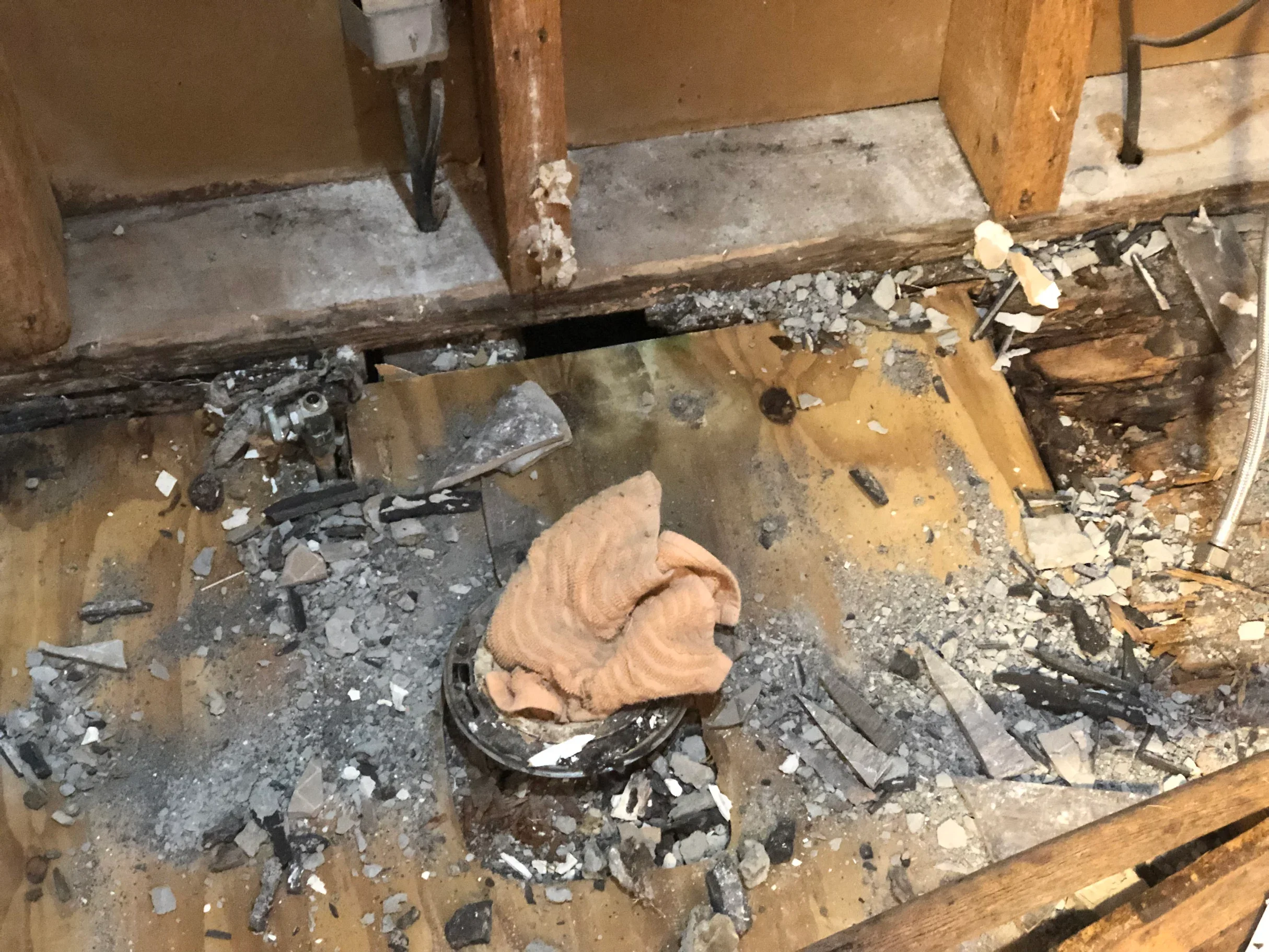
When temperatures drop below 32°F, any water sitting inside exposed or poorly insulated pipes can freeze. As the water turns to ice, it expands, and that pressure can cause pipes to crack or burst. The result? Leaking walls, flooding, and thousands of dollars in water damage from frozen pipes.
Here are six things you can do to prevent frozen pipes.
1. Insulate Pipes in Vulnerable Areas
How to prevent frozen pipes starts with proper insulation. Pipes that run through unheated areas like basements, garages, attics, or exterior walls are at the highest risk.
Use foam pipe insulation, heat tape, or heat cables
Focus on pipes near exterior walls or in crawlspaces
Seal cracks in walls that let in cold air
Pro Tip: Older homes and houses in warmer climates are more likely to have under-insulated pipes. If that sounds like your home, insulation is your best first step.
2. Set Your Thermostat to 55°F or Higher
Winter plumbing tips start with keeping your home warm. Whether you're staying in or heading out of town, maintaining a consistent temperature helps prevent your pipes from freezing.
Set your thermostat to at least 55°F, even when away
Keep heat circulating by opening bedroom and closet doors
Make sure vents aren’t blocked by furniture or rugs
3. Let Faucets Drip on Freezing Nights
It might sound wasteful, but a slow drip from your faucet can prevent frozen pipes in severe cold. Water moving through the system relieves pressure and prevents ice from forming.
Let the faucet drip slightly overnight
Focus on faucets connected to exposed or exterior pipes
Leave both hot and cold taps slightly open to keep movement
4. Keep Cabinet Doors Open
Cabinet doors in kitchens and bathrooms can trap cold air around pipes. Keeping them open allows warm air to circulate and protect the plumbing underneath your sinks.
Open cabinet doors overnight
Especially helpful in older homes with limited insulation
Remove harmful cleaners if children or pets are present
5. Close Your Garage Doors
If your garage contains plumbing lines or sits next to a wall with pipes, keep it closed as much as possible. Garages are typically unheated, making them a major entry point for cold air.
Insulate the garage if possible
Keep it shut during cold snaps
Seal around doors to block drafts
6. Seal Cracks and Holes in Walls
Cold air can sneak in through even the smallest openings. Look for gaps near where pipes enter the home around foundations, dryer vents, and hose bibs.
Use spray foam or caulk to seal cracks
Install weather stripping or insulation for extra protection
Don’t forget to disconnect garden hoses and cover outdoor spigots
When Pipes Still Freeze: What to Do
Even with the best frozen pipe prevention tips, extreme temperatures can still cause problems. If you turn on the faucet and only a trickle comes out, a pipe may already be frozen.
Turn off the main water supply
Leave faucets open to reduce pressure
Call a frozen pipe repair expert in East Tennessee immediately
Avoid using open flames or space heaters to thaw pipes
Let Precision Structures, Inc. Keep Your Home Safe This Winter
At Precision Structures, Inc., we know the stress frozen or burst pipes can bring. We’re proud to offer frozen pipe repair and emergency restoration services across East Tennessee. Whether you need an inspection, water damage cleanup, or help navigating your insurance claim, we’re here to guide you every step of the way.
Don’t wait until it’s too late. Give us a call before the next cold snap, and let’s protect your home from unnecessary damage. We’re local, reliable, and ready to serve East Tennessee and beyond with the care and experience you deserve.